

Automation in Warehousing: Job Slayer or Workplace Savior? (The Real Story)
November 19, 2025by Adrian Lulascu
Why has warehouse automation become such a central topic in logistics today? From robots handling material flows to conveyor systems ensuring continuous operations, automation technologies are now essential for efficiency, accuracy, and scalability in supply chains. Now, before we all start picturing a robot uprising on the loading docks complete with cold, metallic beeps and...
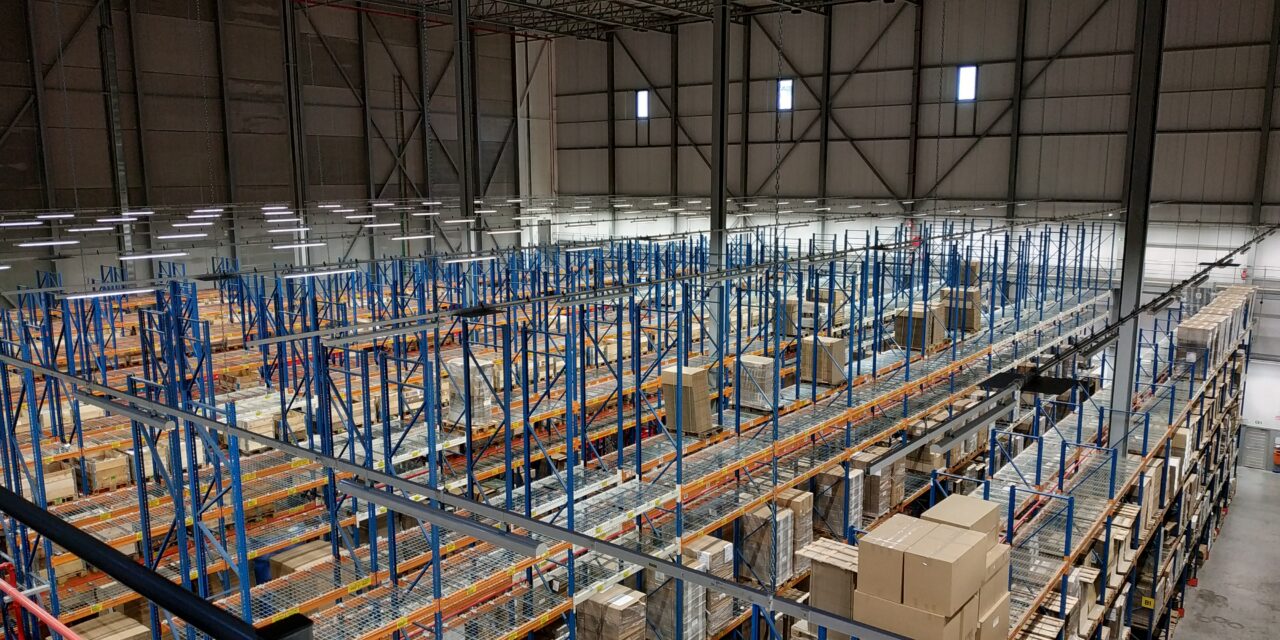
From Code to Conveyor Belts: What My First Onsite Taught Me About Real Engineering
October 23, 2025by Dumitru Dirul
Working as a software developer in a company that specializes in industrial automation means that the code you write often ends up controlling something very real, machines, conveyors, shuttles, or even robots. Every warehouse has its own rules, layouts, and business logic, which means that no two projects are ever quite the same. Unlike most...

Can AI assistants help teams working in Romanian capture better meeting notes? We tested three to find out. “Meetings are long. Memory is short.” We have all been there. You wrap up a 90‑minute meeting, after a long day of context‑switching, and someone suddenly asks: “So, who’s taking care of the meeting notes?” Like many...
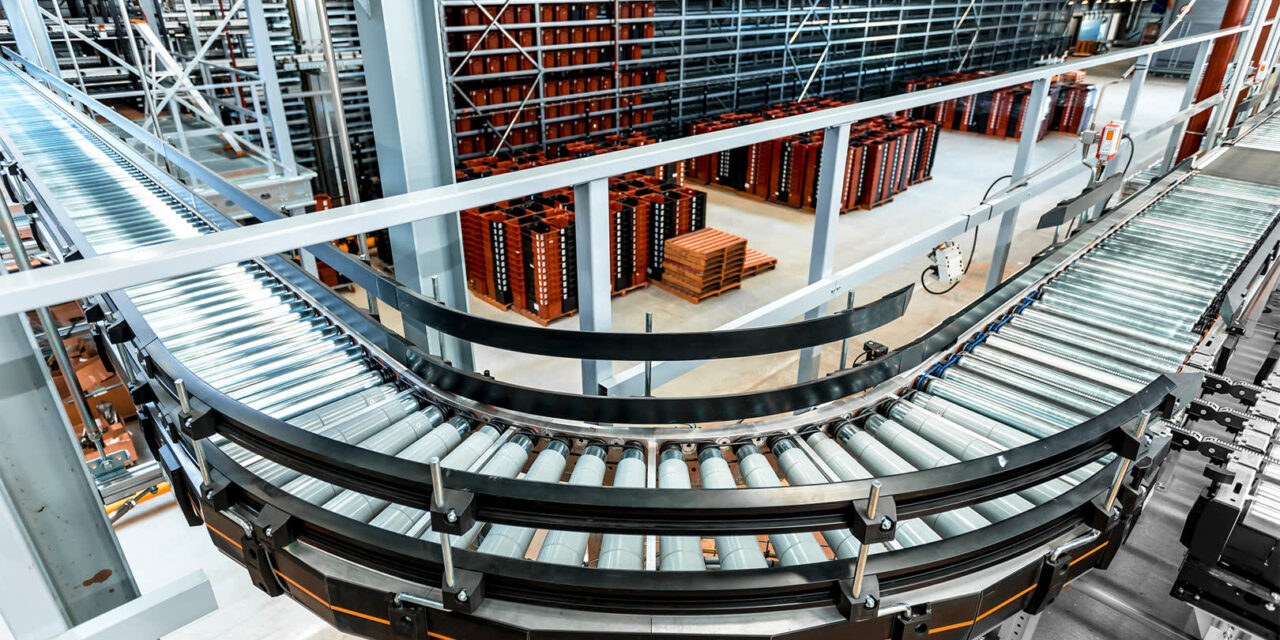
The red-light flashes. A critical conveyor on your main outbound sortation line stops. The warehouse, just moments ago a scene of automated efficiency, now has an anxious silence. Every operator understands: orders are backed up, service level agreements (SLAs) are at risk, and the pressure increases every second. Your most experienced maintenance engineer hurries to...
From Lagging to Leading: 5 Key Signs Your PLC System Needs an Upgrade
February 17, 2025by Iulia Gromatchi
Programmable Logic Controllers (PLCs) have been around for decades and have become a vital part of industrial applications. They are widely used to control and monitor complex machinery and processes across manufacturing, logistics, energy, and other industries. PLCs are designed to withstand harsh industrial environments and operate for long periods without interruption. However, even the...


In my previous article, I have talked about the differences between DevOps and DevSecOps from the secure software supply chain point of view. In this second part, I am going to dig deeper into angles related to the culture and collaboration within an organization, and the automated verification that can be enabled through DevSecOps. ...
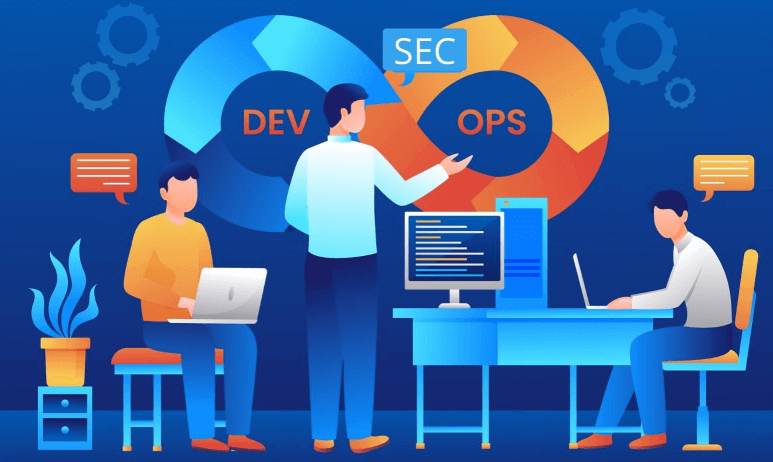
DevOps is the combination of cultural philosophies, practices, and tools that increase an organization’s ability to deliver applications and services at a high velocity. It allows to evolve and improve products at a faster pace than the use of traditional software development and infrastructure management processes. This is exactly the speed that enables organizations to better serve their customers and compete more effectively on the market. DevSecOps stands for development, security, and operations. It's an approach to culture, automation, and platform design that integrates security as a shared responsibility throughout the entire IT lifecycle.